

Eating disorders like anorexia, bulimia, BED, orthorexia, and pica are complex conditions requiring professional help. Early intervention is key in Florida, where specialized programs address psychological and physiological aspects through therapy, counseling, and tailored nutrition plans. Approaches include CBT, DBT, family-focused therapy, and individual/group support, aiming for long-term recovery by improving body image, emotional well-being, and eating habits. Post-treatment aftercare ensures sustained progress with dedicated programs focusing on mental health, resilience, and symptom management.
“Discover comprehensive eating disorder treatment programs in vibrant South Florida, where specialized services cater to diverse needs. This article explores various aspects of recovery, from understanding the signs and types of eating disorders to the critical role of early intervention in the sunny state. Learn about effective therapeutic approaches, supportive community initiatives, and aftercare strategies that foster lasting change for individuals navigating these challenges. Find hope and resources for eating disorder treatment Florida has to offer.”
- Understanding Eating Disorders: Signs and Types
- The Importance of Early Intervention in South Florida
- Therapeutic Approaches for Effective Treatment
- Supportive Programs and Services in the Region
- Recovery and Aftercare: Nurturing Lasting Change
Understanding Eating Disorders: Signs and Types

Eating disorders are complex conditions that impact an individual’s relationship with food and their body image. They can manifest in various forms, each with distinct characteristics and symptoms. Recognizing these signs is a crucial first step in seeking appropriate eating disorder treatment Florida professionals offer. Common types include anorexia nervosa, characterized by extreme restriction of food intake and often accompanied by excessive exercise; bulimia nervosa, marked by cycles of binge eating followed by compensatory behaviors like vomiting or laxative abuse; and binge eating disorder (BED), where individuals engage in frequent, uncontrollable episodes of overeating without subsequent purging.
Beyond these primary types, there are other specified feeding and eating disorders, such as orthorexia, a fixation on healthy eating that can become obsessive, and pica, involving the consumption of non-food substances. The presence of any of these symptoms should prompt individuals to consider ED recovery through specialized programs. Professional help, including eating disorder therapy and nutrition counseling, is vital in addressing the psychological and physiological aspects of these disorders, fostering healthier behaviors, and promoting a positive relationship with food and one’s body.
The Importance of Early Intervention in South Florida

Early intervention is a cornerstone of successful eating disorder treatment in South Florida. Recognizing the signs and symptoms early can significantly impact an individual’s journey to recovery. Many individuals struggling with eating disorders, such as anorexia nervosa or bulimia, may exhibit subtle changes in behavior, attitude, or physical health that could be indicators of a deeper issue. By addressing these red flags promptly, families and healthcare professionals can guide the person towards specialized eating disorder treatment programs available across the state.
Timely intervention allows for more effective management of symptoms and prevents them from becoming chronic or life-threatening. In Florida, various eating disorder therapy centers offer comprehensive programs that integrate nutrition counseling with evidence-based therapeutic approaches. These tailored interventions focus on addressing the root causes of the disorder, promoting healthy coping mechanisms, improving body image, and restoring a balanced relationship with food. With dedicated support, individuals can navigate their path to recovery, reclaiming their physical and mental well-being.
Therapeutic Approaches for Effective Treatment

In the quest for comprehensive eating disorder treatment Florida residents have a range of effective therapeutic approaches at their disposal. Beyond traditional talk therapy, many programs now integrate specialized techniques such as cognitive behavioral therapy (CBT), dialectical behavior therapy (DBT), and family-focused therapy to address the complex nature of these disorders. CBT, for instance, equips individuals with coping strategies to challenge distorted thinking patterns related to food and body image while DBT helps regulate emotions and improve distress tolerance, crucial components in ED recovery.
Nutrition counseling, a key component in eating disorder treatment Florida centers often offer, is tailored to meet individual needs. Trained nutritionists work collaboratively with patients to foster a healthy relationship with food, promoting balanced diets and mindful eating habits. This holistic approach combines psychological support with nutritional guidance, fostering an environment conducive to lasting recovery and improved overall well-being.
Supportive Programs and Services in the Region

South Florida boasts a robust network of supportive programs and services tailored to individuals seeking eating disorder treatment and recovery. The region’s dedicated healthcare facilities offer specialized care, incorporating various therapeutic approaches like cognitive-behavioral therapy (CBT), dialectical behavior therapy (DBT), and family-based treatment models. These evidence-based practices have proven effective in addressing the complex needs of those struggling with eating disorders.
In addition to comprehensive medical care, Florida’s support systems include nutrition counseling services, group therapy sessions, and peer support groups that foster a sense of community and understanding. Such initiatives not only provide valuable tools for managing symptoms but also cultivate an environment conducive to lasting ED recovery.
Recovery and Aftercare: Nurturing Lasting Change
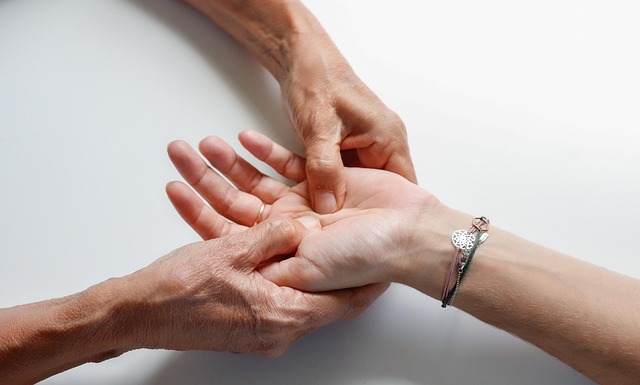
Recovery from an eating disorder is a transformative journey that requires dedication and support. After completing an intensive eating disorder treatment program in South Florida, individuals embark on a new phase focused on maintaining their progress and fostering lasting change. This critical period involves ongoing aftercare and continued access to resources tailored to their specific needs. Many recovery programs offer comprehensive care that includes individual therapy sessions, group support groups, and nutrition counseling to ensure clients develop healthier coping mechanisms and a positive relationship with food.
The goal is to help individuals rebuild their lives, enhance their mental well-being, and cultivate a resilient mindset. By participating in regular check-ins, workshops, or online platforms dedicated to ED recovery, clients can maintain their momentum and stay connected to the support system they’ve built during treatment. This holistic approach addresses not just the symptoms but also the underlying causes of eating disorders, promoting sustainable recovery and improved quality of life for those in South Florida seeking eating disorder therapy.
In South Florida, access to comprehensive eating disorder treatment and recovery programs is readily available, thanks to a robust network of specialized services. By understanding the signs and types of these disorders, recognizing the importance of early intervention, and employing effective therapeutic approaches, individuals can receive tailored care. Supportive programs and aftercare services further ensure long-term recovery. For those seeking eating disorder treatment Florida has numerous options that prioritize holistic healing and nurturing lasting change.